
Deciding on Pediatric Occupational Therapy
Parenting, Pediatric Occupational Therapy, Development
Deciding Whether to “Wait and See” or Seek a Private Occupational Therapy Assessment
The parent is not looking to buy an assessment immediately. They are trying to decide whether their child's challenges are likely to resolve naturally with development or whether an occupational therapy evaluation would provide useful answers. The page should help them make that decision confidently.
Before You Spend Money: What You’re Really Trying to Decide
Before spending money on a private occupational therapy assessment, many parents wonder whether they should simply wait and see if their child outgrows the problem. In some cases, children do mature out of mild developmental differences. However, when challenges persist, interfere with daily life, or cause increasing frustration, waiting can sometimes allow problems to become more difficult to address.
As a pediatric occupational therapist, I regularly meet families who have spent months—or even years—wondering whether their child would eventually catch up. Sometimes that happens. Other times, parents tell me they wish they had sought answers sooner because the challenges were affecting school performance, confidence, family routines, or emotional well-being.
📌 Key Idea: You are not committing to therapy. You are deciding whether more information would help you feel confident about what your child truly needs right now.
Key Takeaways for Parents on the Fence
Some developmental challenges improve naturally as children mature, but persistent difficulties often benefit from professional evaluation.
Waiting may be reasonable when concerns are mild, improving, and not interfering with daily activities.
A private OT assessment can identify underlying sensory, motor, self-regulation, or developmental factors that may not be obvious.
Early identification often prevents secondary problems such as anxiety, low self-esteem, school struggles, or family stress.
An assessment does not automatically mean therapy is needed; sometimes parents simply gain reassurance and practical recommendations.
If concerns have persisted for 6 months or more without meaningful improvement, an evaluation is often worth considering.
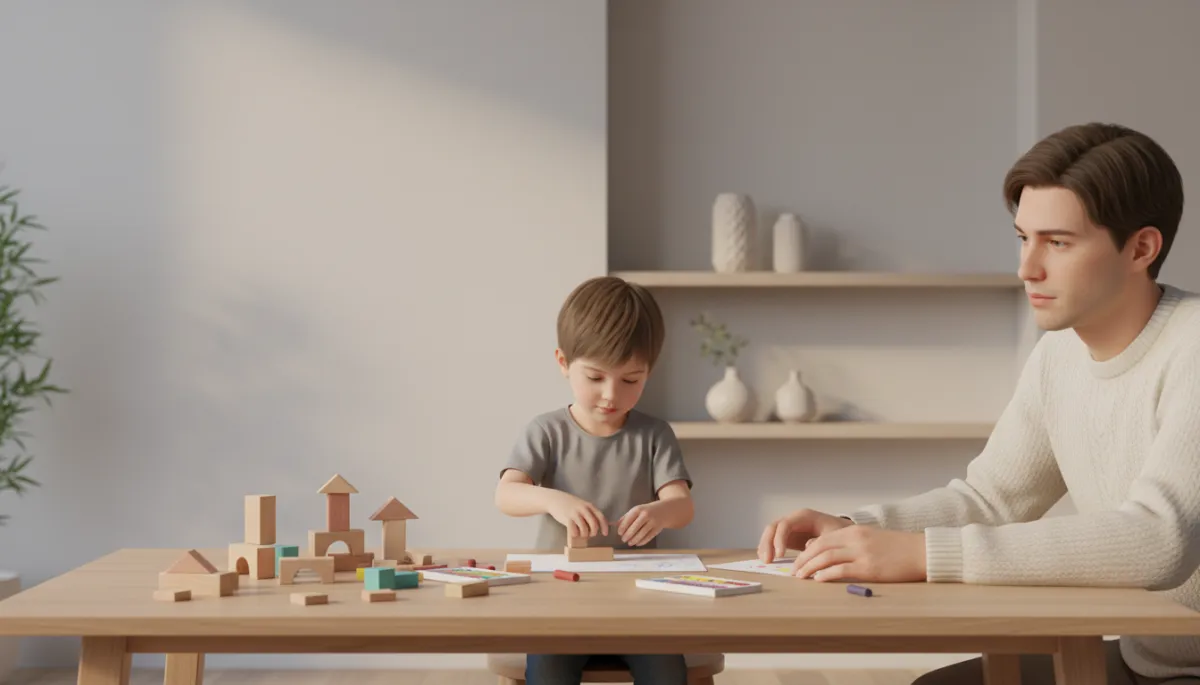
Careful observation over time helps clarify whether challenges are improving or persisting.
Is It Normal for Children to Outgrow Developmental Challenges?
Yes, some developmental differences improve naturally over time.
Children develop at different rates. A child who struggles with scissors at age four may become proficient by age five. A child who is awkward on the playground may become more coordinated with practice and maturation.
However, significant challenges typically do not disappear simply because a child gets older.
Challenge May improve naturally Often benefits from evaluation Mild immaturity ✓ Occasional sensory sensitivities ✓ Persistent handwriting struggles ✓ Frequent meltdowns during routines ✓ Ongoing clothing, food, or noise sensitivities ✓ Difficulty with self-care skills ✓ Significant coordination challenges ✓ School-related functional concerns ✓
One of the biggest questions I ask parents is not whether the challenge exists, but whether it is improving over time.
How Do I Know If Waiting Is Reasonable?
A "wait and see" approach may be reasonable when:
The concern is relatively mild
The child continues making steady progress
Difficulties are not affecting school performance
Challenges are not causing emotional distress
Teachers and caregivers report improvement
Daily routines remain manageable
For example, a kindergarten child who is slightly behind peers in fine motor skills but shows consistent progress over several months may simply need additional time and practice.
💡 Pro Tip: You can treat this like a simple monitoring “script” in your own life. Set a reminder every few weeks to briefly “check in” on the same skills and note whether things are getting easier, harder, or staying the same.
If you're trying to determine whether a concern warrants further evaluation, see our pillar guide: When Is a Private Occupational Therapy Assessment Worth It? This comprehensive resource explains the factors I consider when helping families decide whether an assessment is the right next step.
When Does Waiting Become Risky?
Waiting becomes more concerning when challenges remain the same or become more noticeable over time.
I often see children whose difficulties become harder to ignore as expectations increase.
A child who manages preschool successfully may begin struggling in elementary school when demands for:
Handwriting
Attention
Organization
Independence
Emotional regulation
Classroom participation
increase significantly.
In these situations, the child has not necessarily changed. The environment simply requires more advanced skills.
What Are Signs That a Private OT Assessment May Be Helpful Now?
The challenges have lasted more than six months
Most developmental variations show some improvement over time.
If concerns remain relatively unchanged for six months or longer, it may be useful to understand why. Check out my article here
The problem affects everyday life
Examples include:
Getting dressed takes excessive time
Morning routines frequently end in tears
Homework becomes a daily battle
Family outings are difficult because of sensory reactions
School participation is affected
When a challenge impacts daily functioning, an assessment can provide valuable insight.
Your child is becoming frustrated
Many children recognize when tasks are harder for them than for peers.
You may notice:
Avoidance
Low confidence
Increased emotional reactions
Refusal to participate in activities
These secondary effects often become more concerning than the original skill difficulty.
Teachers are expressing concerns
School staff often notice patterns across multiple settings.
If teachers consistently mention concerns related to:
Fine motor skills
Attention
Sensory regulation
Classroom participation
Independence
it may be worth exploring further.
For a deeper look at school-related concerns, see How Do I Know If My Child's School Difficulties Warrant a Private OT Assessment?
What If the Problem Is Sensory-Related?
Sensory concerns are one of the most common reasons families wonder whether to wait.
Some children naturally become more tolerant of sensory experiences as they mature. Others continue experiencing significant sensory challenges that affect participation in daily life.
If your child regularly struggles with:
Clothing textures
Hair brushing
Loud environments
Food textures
Busy public spaces
Unexpected changes in routine
a private OT assessment can help determine whether sensory processing differences are contributing to the difficulties.
Related resource: My Child Has Sensory Sensitivities. Should We Get a Private OT Assessment?
What If My Child Avoids Activities Other Children Enjoy?
Avoidance can be an important clue.
Children often avoid activities when they are difficult, uncomfortable, overwhelming, or frustrating.
Examples include avoiding:
Coloring
Writing
Sports
Playground activities
Craft projects
Self-care tasks
While occasional avoidance is normal, consistent avoidance across settings may indicate underlying motor, sensory, or self-regulation challenges.
Related resource: My Child Avoids Certain Activities. Could Occupational Therapy Help?
What Happens If I Get an Assessment and Therapy Is Not Needed?
This is one of the most common concerns parents share with me.
A private OT assessment does not automatically lead to therapy.
Sometimes the outcome is:
Reassurance that development is on track
Home recommendations
School accommodations
Monitoring over time
A referral to another professional if appropriate
Many families find value simply in understanding what is happening and having a clear plan moving forward.
Is It Better to Get Answers Now or Wait Longer?
The answer depends on the severity and impact of the concerns.
If challenges are mild and improving, observation may be appropriate.
If concerns are persistent, affecting daily life, causing frustration, or interfering with school participation, obtaining an assessment often provides clarity sooner rather than later.
In my experience, families rarely regret having more information. Even when therapy is not recommended, parents usually appreciate understanding their child's strengths, challenges, and developmental needs.
The Bottom Line
Some children do outgrow certain developmental challenges. However, persistent difficulties with sensory processing, motor skills, self-regulation, independence, or school participation often benefit from further evaluation.
A private occupational therapy assessment can help determine whether your child simply needs more time, would benefit from targeted support, or requires no intervention at all. The goal is not to label a child—it is to understand what is making everyday activities easier or harder and identify the most appropriate next steps.
For a complete decision-making framework, visit
Frequently Asked Questions
How long should I wait before getting a private OT assessment?
If concerns have persisted for approximately six months without meaningful improvement, it is often reasonable to consider an evaluation, particularly if the challenges affect daily functioning.
Can children outgrow sensory processing challenges?
Some sensory sensitivities become less noticeable with age, but persistent sensory difficulties that interfere with daily activities often benefit from professional assessment and support.
Is it harmful to wait before getting an OT evaluation?
Not necessarily. However, prolonged waiting can allow difficulties to affect confidence, school performance, emotional regulation, and family routines if underlying issues remain unaddressed.
What if my child is doing well academically but still struggles at home?
Academic success does not eliminate the possibility of sensory, motor, or self-regulation challenges. Many children work extremely hard to cope at school and show greater difficulties at home.
Can a private OT assessment tell me whether therapy is actually necessary?
Yes. One purpose of a comprehensive assessment is determining whether therapy is recommended, whether monitoring is sufficient, or whether other supports may be more appropriate.