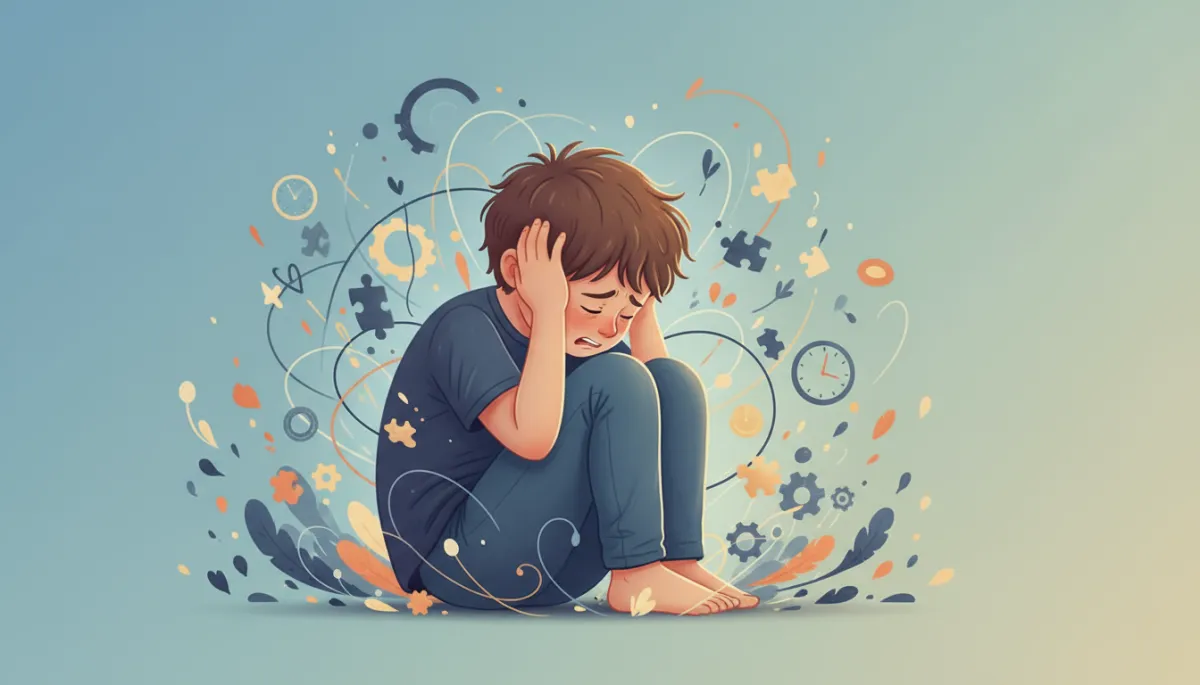
Understanding Child Meltdowns: Causes & Solutions
Child Development, Emotional Regulation, Occupational Therapy
Understanding why children experience frequent meltdowns helps parents move from confusion and frustration toward practical, effective support strategies at home, school, and in the community.
Children who have frequent meltdowns are often struggling with something that feels overwhelming, frustrating, or difficult to manage. While occasional emotional outbursts are a normal part of childhood, repeated meltdowns can be a sign that a child needs additional support with sensory processing, emotional regulation, transitions, communication, or daily demands.
Many parents wonder whether their child's reactions are typical, whether something deeper is going on, and what they can do to help. The good news is that meltdowns usually happen for a reason. Once you understand the underlying cause, it becomes much easier to support your child and reduce the frequency and intensity of these challenging moments.
Key Takeaways About Frequent Meltdowns
Frequent meltdowns are usually a sign of overwhelm rather than intentional misbehavior.
Sensory processing challenges, transitions, and emotional regulation difficulties are common causes.
The timing and pattern of meltdowns often provide important clues.
Some children appear to overreact because their nervous system is already overloaded.
Occupational therapy can help identify the root causes and build regulation skills.
Understanding why meltdowns happen is the first step toward helping your child succeed.
1. Why Does My Child Have So Many Meltdowns?
Children have frequent meltdowns when the demands placed on them exceed their ability to cope. The challenge may be sensory, emotional, social, cognitive, or a combination of several factors.
For one child, the problem may be overwhelming sensory input. For another, it may be difficulty transitioning between activities. Some children struggle with frustration tolerance, while others become overwhelmed by routine daily expectations.
The key is understanding that meltdowns are usually a symptom rather than the problem itself. The behavior you see is often the result of an underlying challenge that has not yet been identified.
2. Why Do Some Children Melt Down Every Morning?
Morning meltdowns are one of the most common concerns parents report. The rush to get dressed, eat breakfast, gather belongings, and transition to school can overwhelm children who struggle with sensory processing, executive functioning, anxiety, or emotional regulation.
Some children become dysregulated before they even leave the house because they are facing multiple demands in a short period of time. When every step of the routine feels hard, the nervous system can quickly reach a breaking point.
If mornings are consistently difficult in your home, read our complete guide: Why does my child melt down every morning? That article explores common causes of morning meltdowns and practical strategies that can make mornings more manageable for the entire family.
3. Why Do Transitions Trigger So Many Meltdowns?
Transitions can be surprisingly difficult for children. Stopping one activity and moving to another requires flexibility, attention shifting, and emotional regulation skills that are still developing. When a child is deeply engaged in play or focused on a preferred activity, an unexpected change can feel jarring and overwhelming.
Many children who appear stubborn or oppositional during transitions are actually struggling to adapt to change. They may need more time, clearer warnings, or additional support to move from one task to the next.
Leaving the playground
Turning off screens
Starting homework
Going to bed
Moving between classrooms
If transitions are a major trigger for your child, read Why does my child have tantrums during transitions? for a deeper look at why these situations are so challenging and what parents can do to help.
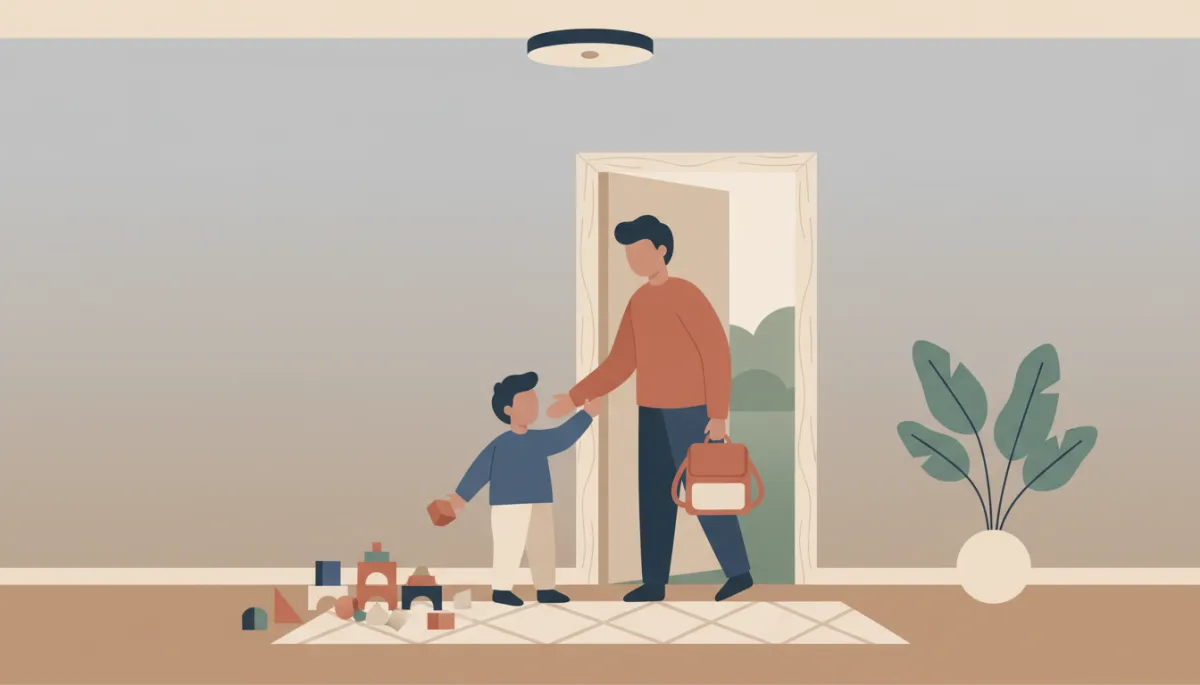
Clear routines and gentle warnings can make difficult transitions more manageable.
4. Can Sensory Issues Cause Meltdowns?
Yes. Sensory processing challenges are one of the most common contributors to frequent meltdowns. Some children become overwhelmed by sounds, lights, textures, movement, crowds, or other sensory experiences that most people barely notice. When their nervous system becomes overloaded, a meltdown may occur as a release of built-up stress.
Parents often notice meltdowns after school, during errands, at birthday parties, or in other environments with a lot of sensory input. These patterns can be strong indicators that sensory processing is playing a role.
If you suspect sensory processing may be contributing, our article Can sensory issues cause meltdowns? explains the connection between sensory challenges and emotional outbursts in greater detail.
5. Why Does My Child Overreact to Small Frustrations?
Children who seem to overreact are often operating with a limited capacity to manage frustration in the moment. What appears to be a minor inconvenience to an adult may feel overwhelming to a child whose nervous system is already under stress or fatigue.
A broken crayon, a difficult homework assignment, losing a game, or being told "no" can trigger a large emotional response when a child lacks the skills needed to recover from disappointment. In many cases, the issue is not the size of the problem. It is the child's ability to regulate their response to the problem.
For a deeper explanation, see Why does my child overreact to small frustrations? This resource explores how stress, temperament, and skill gaps interact to shape a child’s reactions.
6. Is It Normal for a 5‑Year‑Old to Have Daily Meltdowns?
Occasional meltdowns are common at age five. Daily meltdowns, however, deserve a closer look. While some children naturally experience stronger emotions than others, frequent emotional outbursts may indicate challenges with sensory processing, emotional regulation, attention, anxiety, communication, or coping skills.
The important question is not whether meltdowns happen. The important question is whether they are interfering with your child's ability to participate successfully at home, school, or in the community. If daily meltdowns are disrupting routines or relationships, additional support may be helpful.
If you are wondering whether your child's behavior falls within the typical range, read Is it normal for a 5-year-old to have daily meltdowns? for more detailed guidance.
7. When Should Parents Worry About Emotional Regulation?
Parents should become concerned when emotional reactions consistently interfere with daily life, relationships, learning, or participation in age-appropriate activities. It is also important to pay attention to your own stress level and sense of overwhelm as a caregiver.
Frequent explosive reactions
Difficulty calming down
Extreme responses to minor problems
Ongoing struggles at school
Avoidance of everyday activities
Significant family stress
Many parents describe feeling like they are constantly walking on eggshells because they never know what will trigger the next meltdown. If this sounds familiar, our article When should I worry about emotional regulation? explains the signs that may indicate a child needs additional support.
8. Can Occupational Therapy Help With Meltdowns?
Yes. Occupational therapy can help children develop the skills needed to regulate emotions, manage sensory input, navigate transitions, and participate more successfully in daily activities. Rather than focusing solely on the behavior itself, occupational therapists look at the underlying reasons why meltdowns are occurring.
An occupational therapy evaluation may assess:
Sensory processing
Emotional regulation
Executive functioning
Motor skills
Daily routines
Environmental factors
Participation at home and school
When the underlying challenges are identified, therapy can target the specific skills a child needs to become more successful. For a complete explanation of treatment approaches and outcomes, read Can OT help with meltdowns?
Families throughout Newport Beach and Costa Mesa often seek private occupational therapy services when meltdowns are affecting everyday life. Through comprehensive evaluations and individualized treatment plans, Kerrie Rowe OT helps families understand the root causes of emotional outbursts and develop practical strategies that support long-term success.
Learn more about private occupational therapy services here:
9. What Should Parents Do If Their Child Is Having Frequent Meltdowns?
The first step is to look for patterns. Instead of viewing each meltdown as an isolated event, consider it as data that can help you understand what your child is finding difficult.
Pay attention to:
When meltdowns happen
Where they occur
What happened beforehand
How long they last
How your child recovers afterward
These patterns often reveal important clues about what your child is struggling with. When parents understand the reason behind the meltdowns, they can move beyond simply reacting to behavior and begin addressing the underlying challenge, often in partnership with professionals such as occupational therapists, psychologists, or pediatricians.
Frequently Asked Questions
Why does my child have meltdowns every day?
Daily meltdowns often occur when a child is repeatedly encountering demands that exceed their current ability to cope. Sensory challenges, emotional regulation difficulties, anxiety, communication struggles, and transitions are common contributors. Identifying patterns in when and where these meltdowns occur can guide next steps for support.
Can sensory overload cause emotional outbursts?
Yes. Sensory overload can overwhelm a child's nervous system and lead to emotional reactions that appear sudden or disproportionate to the situation. Reducing sensory demands, building in breaks, and working with an occupational therapist can help a child manage these environments more successfully.
Are daily meltdowns normal for school-age children?
Occasional meltdowns are common. Daily meltdowns that interfere with home, school, or community participation may indicate that additional support is needed. Consulting with your pediatrician, school team, or an occupational therapist can help clarify what is typical and what may require intervention.
What is the difference between a tantrum and a meltdown?
A tantrum is typically goal-directed, while a meltdown occurs when a child becomes overwhelmed and loses the ability to regulate their emotions and behavior. During a meltdown, the child is not in control and often needs calm, supportive adults to help them return to a regulated state.
Can occupational therapy help children who have frequent meltdowns?
Final Thoughts
If your child is having frequent meltdowns, the most important thing to remember is that behavior is communication. Meltdowns are often a sign that something is difficult, overwhelming, or confusing for your child. Taking a curious, problem-solving approach is more effective than focusing on punishment or blame.
Understanding the cause is far more valuable than focusing only on the behavior itself. Whether the challenge is sensory processing, transitions, frustration tolerance, emotional regulation, or daily routines, identifying the underlying issue creates a pathway toward meaningful improvement. As you explore the topics above, you'll gain a clearer picture of what may be contributing to your child's meltdowns and what steps you can take to help.